Studio and mobile massage
Massage by Aleks
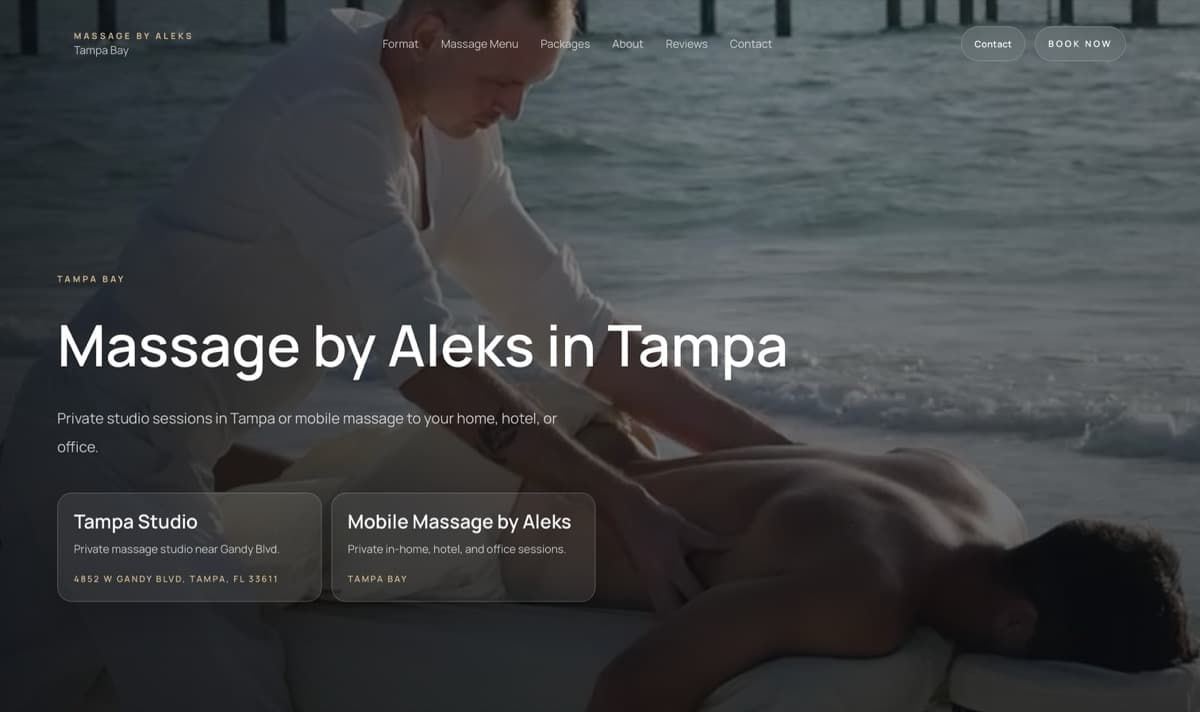
One website covers appointments at the studio and at the client’s location. Visitors choose a location, then explore treatments, packages, and booking options.
Your customers have questions before they call. MalixCode builds websites that explain your services, show relevant work, and provide the details people need to choose your business.
From $1,800Final price depends on what’s included
We reply within 6–12 hours using your preferred contact method.
 Puzzle ConstructionMassage by Aleks
 MK Barbers Level Up
Explore your industry
Start with the services, customer questions, and next steps that matter to your business.
Introduce your practice and treatments, then connect clients to the right booking option.
Show remodeling services alongside completed projects so homeowners have the details they need to request an estimate.
Separate repairs, installations, and maintenance, with service areas and a clear way to request help.
Help customers find the right repair, drain, or water heater service and share the job details.
Show roof repair and replacement work, outline your service area, and collect details for an estimate.
Your website project
From a landing page for one offer to a larger website. We agree on the pages, features, and price before work starts.
Website text, design, and development · Pages and features agreed on before we start
Selected work
A massage practice, a contractor, and a barbershop need different things from a website. See how we plan and design each site around the business.
Studio and mobile massage
One website covers appointments at the studio and at the client’s location. Visitors choose a location, then explore treatments, packages, and booking options.
Construction and remodeling
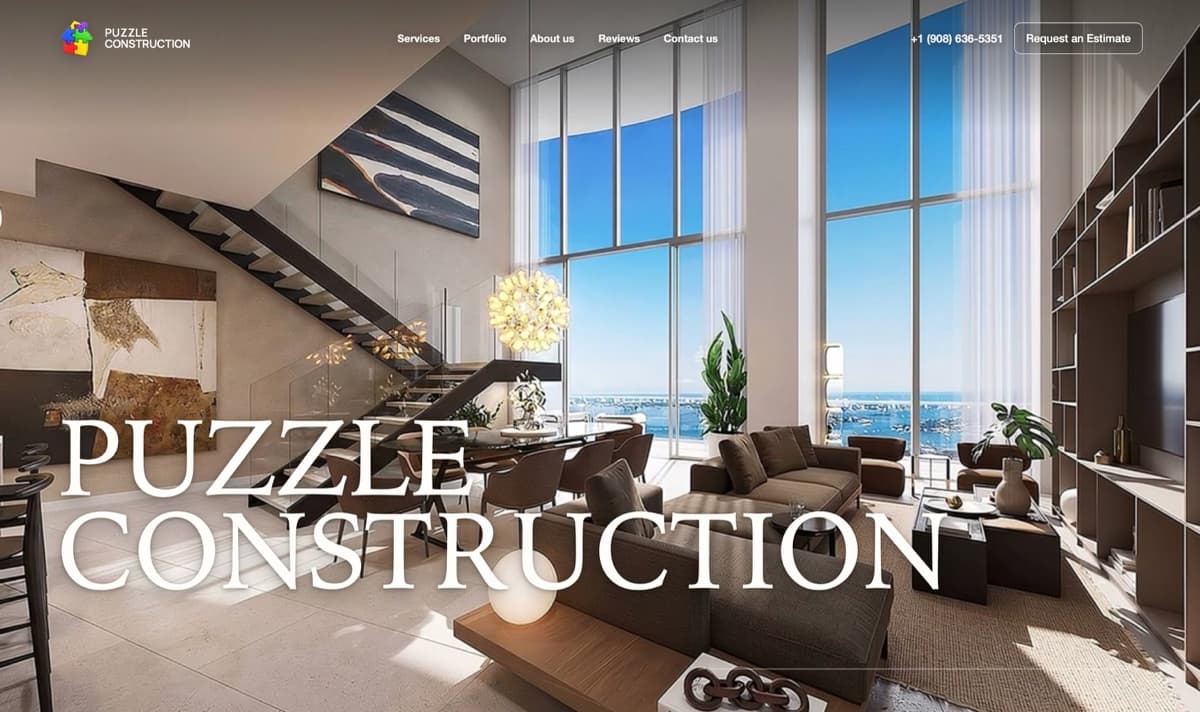
Homeowners can explore seven service categories, from repairs to renovations. Each service includes relevant project photos, details about the work, and a way to request an estimate.
Barbershop
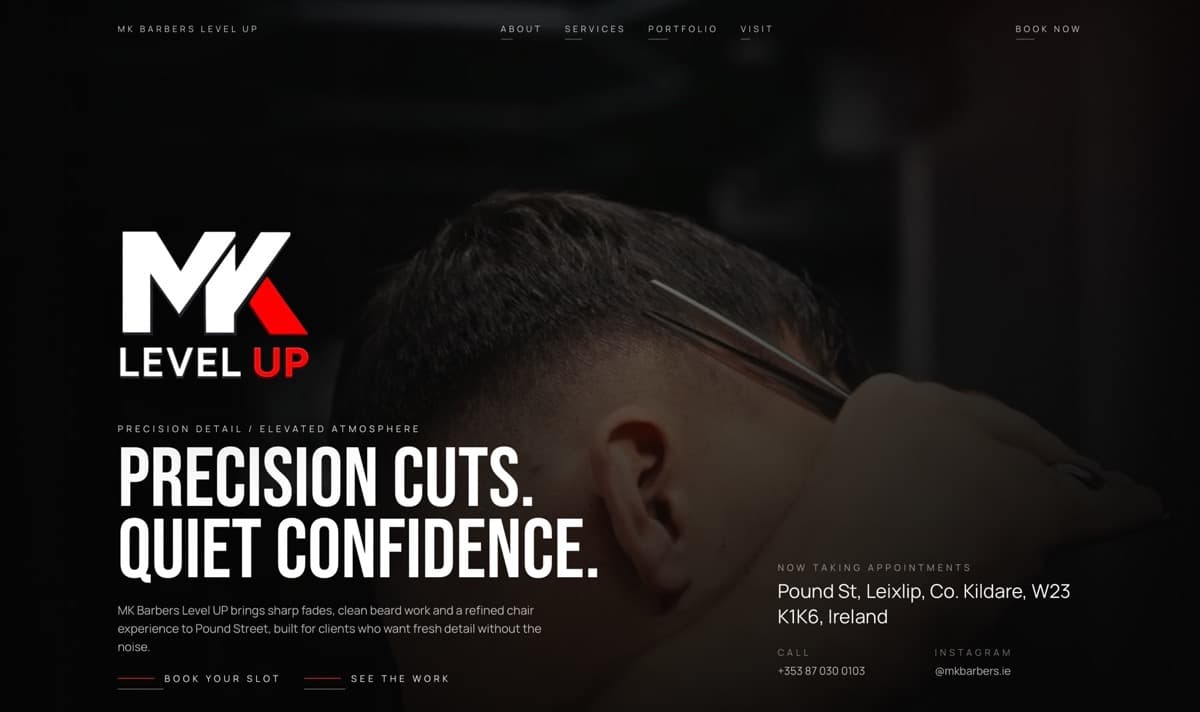
Dark colors, narrow fonts, and haircut photos give the barbershop its look. Visitors can browse the work, check services and prices, and find hours and directions for a visit.
Who it’s for
Contractors, health and wellness professionals, barbershops, and consultants use their websites to introduce their businesses. Your site should explain what you offer, where you work, and what happens when a customer contacts you.
How your website can help
What do you do? Is it right for me? How do I get started? A useful website makes those answers easy to find.
Describe the work, who it’s for, where you provide it, and how to request it.
Show relevant projects, client feedback you have permission to use, and business details alongside each service.
Make it easy to call, book an appointment or consultation, or request an estimate from a phone.
How we build it
The homepage introduces your business. Service pages explain what you offer, project pages show your work, and contact options match how you handle new inquiries. Each page gives potential customers useful information.
Features to consider
Your project can include the following. We agree on what’s included before work begins.
How we work
At each stage, you know what you’ll receive and when to give feedback before we move on.
We turn our first conversation into a written project plan covering your audience, goals, pages, content, connections to other tools, and launch requirements.
We map out the pages, create simple layout sketches for the main screens, and write the text for each page.
We design the main pages for your approval, then build a website that works on phones, tablets, and computers, with the features and connections in your project plan.
We test the website in the agreed browsers and screen sizes. We fix issues covered by the project agreement before launch and turn over the agreed materials to you.
Basic and Pro include up to 2 revision rounds each for page structure and design; Advanced includes up to 3 rounds for each stage. One decision-maker sends a single feedback list for each round. If you request changes to an approved stage, we review how they affect the project agreement before continuing.
You receive the live website, its code and version history, agreed files, relevant account access, and instructions for running the site, as listed in your project proposal. Accounts and licenses from other providers remain subject to their terms.
Technical fixes covered by the project agreement are included for 1 month after launch with Basic and Pro, and 2 months with Advanced. New pages, content, features, ongoing maintenance, and changes to third-party services are planned and priced separately.
FAQ
This works well for businesses where customers value expertise, trust, and direct contact. That includes local providers, appointment-based businesses, professional services, and service businesses with a wider reach.
Yes. A dedicated page makes sense when a service has its own customer questions and enough useful information to answer them. The page structure is planned around those needs.
Yes. The project can include a booking link, appointment request, estimate form, or another contact method that fits your existing process.
MalixCode focuses on building new websites. Share your current site so we can review its pages and content when discussing your new project.
We review your project and reply within 6–12 hours using your preferred contact method. Together, we decide what the site needs to do and what the project should include.
A landing page for one offer starts at $1,800. Your final quote depends on the pages, features, and connections to other tools that we agree on; larger projects can cost $3,200 or more. Pay 50% before work begins and 50% when the website is ready. Technical fixes covered by the project agreement are included for 1 month with Basic and Pro, and 2 months with Advanced. Domain registration, hosting, and paid services cost extra.
View pricingYour next website
From $1,800. The final price depends on what your project includes. Pay 50% to start and 50% when the website is ready. We reply within 6–12 hours. Share your main services, the customers you want to reach, and how you handle new inquiries.